

Professional restoration equipment cleaning is the technical process of decontaminating air movers, dehumidifiers, and HEPA scrubbers between every project. At CONSTRUCTEAM, we follow strict IICRC S500 protocols to ensure that the equipment used to dry your home never introduces mold spores, bacteria, or odors from a previous loss.
The Invisible Risk: Cross-Contamination
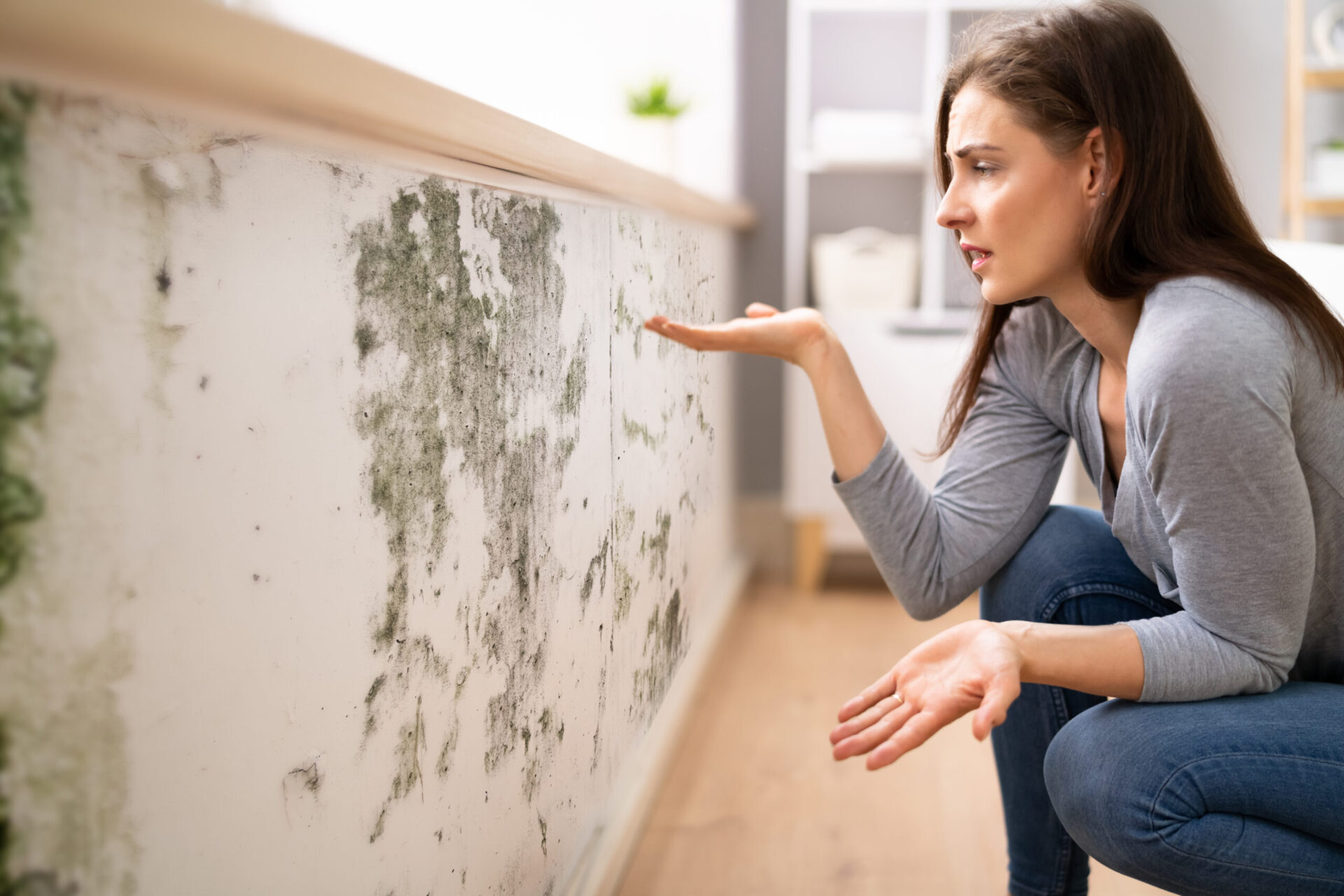
When a restoration company moves equipment from a “Category 3” loss (sewage or floodwater) directly into your “Category 1” loss (clean pipe burst) without a documented decontamination, they are endangering your home’s Indoor Air Quality (IAQ).
| Equipment Type | If Not Cleaned… | Resulting Risk |
| Air Movers (Fans) | Traps dust and mold in the intake. | Blows spores into your “clean” walls. |
| Dehumidifiers | Coils harbor bacteria and biofilm. | Re-circulates contaminated air. |
| HEPA Scrubbers | Old filters bypass microscopic particles. | Failure to capture allergens during mold remediation. |
| Extraction Tools | Holds stagnant water in hoses. | Introduces “Black Water” bacteria to new floors. |
Our "Zero-Contamination" Standard
We treat our equipment with the same level of care we treat your home. Our IICRC-trained technicians follow a 3-step maintenance cycle:
Antimicrobial Wash-Down: Every piece of equipment is wiped down with hospital-grade EPA-registered disinfectants after every use.
Internal Inspection: We open air-mover housings to remove dust and debris that could harbor mold colonies.
Filter Lifecycle Management: HEPA filters are replaced according to strict hourly logs or immediately following any high-contaminant remediation project.
Protecting Your Structural Integrity & Air Quality
Restoring your home isn’t just about “getting it dry.” It’s about ensuring the structural framing and the air your family breathes are free from secondary damage.
Using dirty equipment can actually cause mold growth in areas that were previously unaffected. By choosing a contractor that prioritizes equipment hygiene, you are protecting your property’s long-term health and your insurance claim’s validity.
Watch: How We Clean Our Restoration Equipment Between Jobs
In this short video, you’ll see how our team disinfects air movers, dehumidifiers, and drying equipment before redeployment. Equipment sanitation is part of our documented process—not an afterthought.
When Water Damage Happens
If your home experiences basement flooding, frozen pipe bursts, or storm-related water intrusion, professional drying is critical within the first 24–48 hours.
Choosing a restoration company that follows equipment sanitation protocols is part of protecting your property long-term.
Learn more about our professional water damage restoration services and how controlled drying helps prevent mold growth after flooding.
Frequently Asked Questions About Restoration Equipment & Water Damage
Can dirty restoration equipment cause mold growth?
Yes, contaminated restoration equipment is a primary cause of cross-contamination. If air movers are not sanitized, they can transport live mold spores from a previous job site and embed them into your damp drywall or flooring, leading to rapid fungal growth within 24–48 hours.
How often should filters be changed in a dehumidifier or air scrubber?
Restoration HEPA filters must be changed after every “Category 3” (sewage) or mold remediation project. For standard drying, filters are monitored via pressure-drop sensors and changed according to manufacturer-certified hourly logs to maintain maximum air-scrubbing efficiency.
Is there an industry standard for cleaning restoration equipment?
The IICRC S500 and S520 standards dictate that all restoration equipment must be cleaned and decontaminated before being moved to a new project. This includes wiping down external housings with EPA-registered antimicrobials and ensuring the internal components are free from dust and debris that could harbor pathogens.
Why does my house smell like "wet dog" when the fans are running?
A “wet dog” or musty odor during the drying process often indicates that the equipment being used has a “biofilm” buildup on the internal coils or intake. This is a sign of poorly maintained equipment and suggests that bacteria are being recirculated into your home’s air supply.