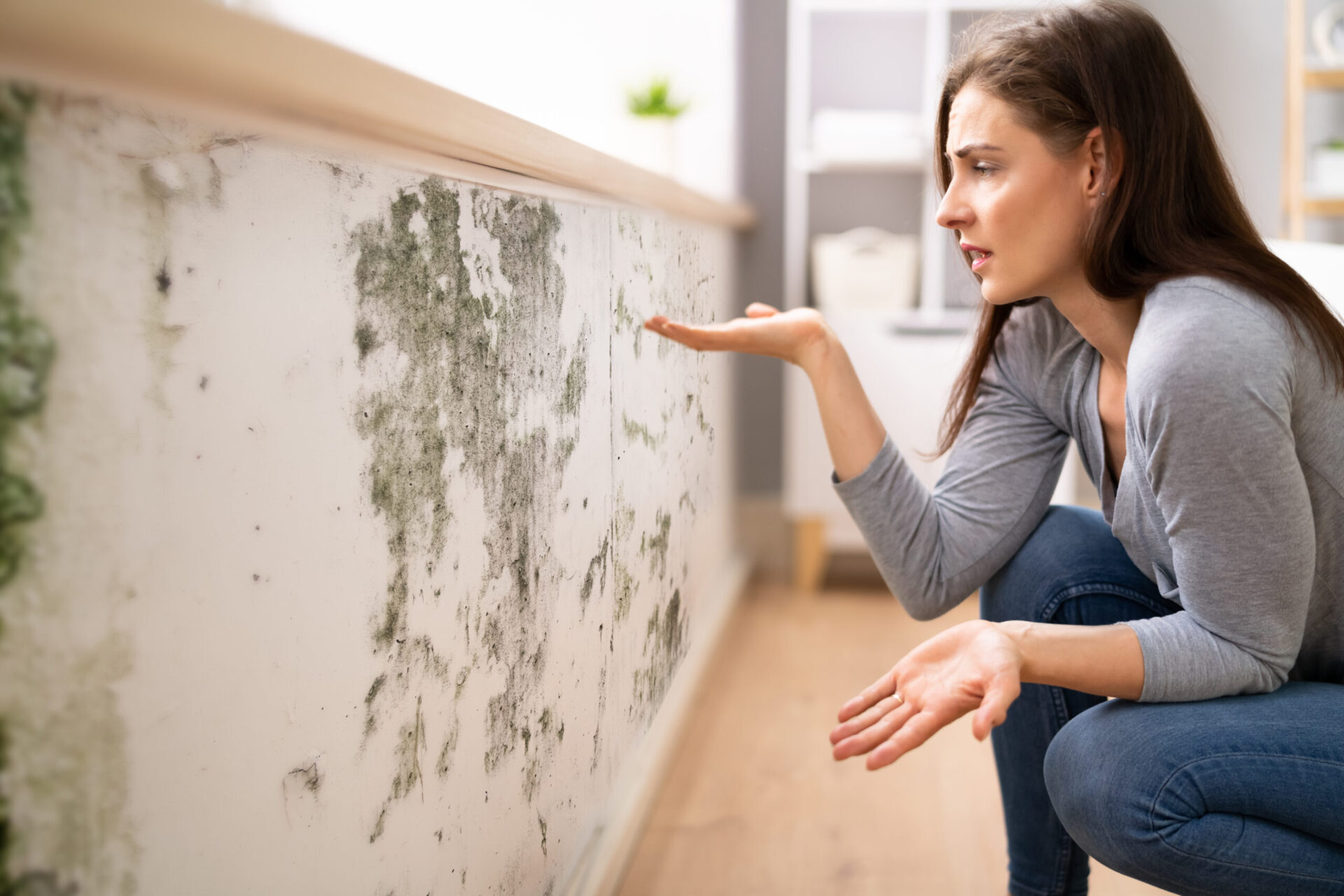

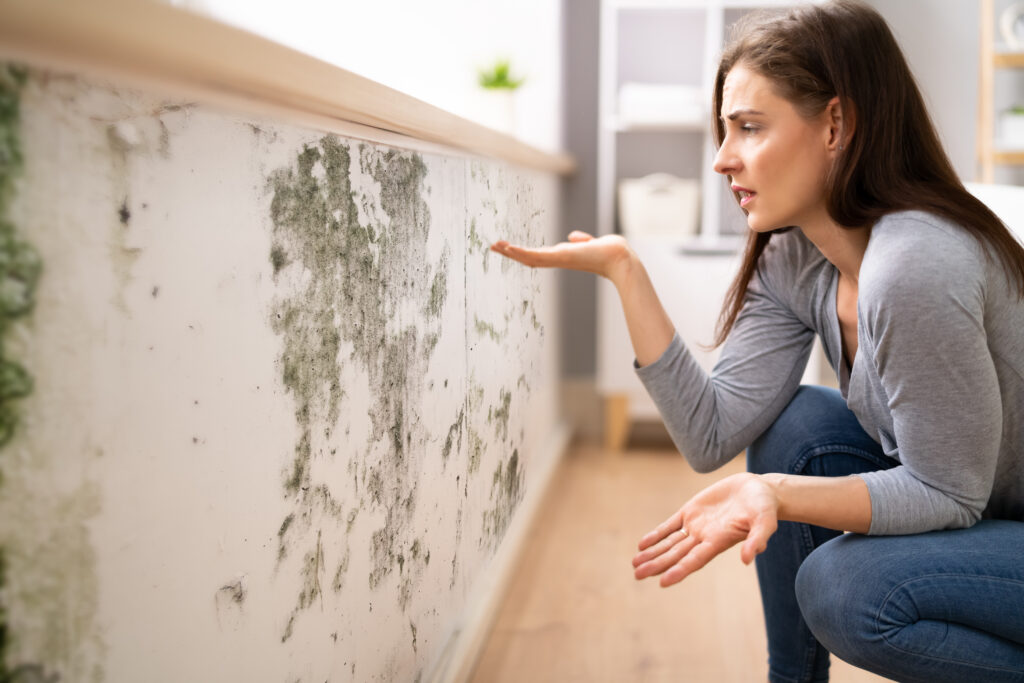
Most Michigan homeowners treat mold like a cleaning chore. But in Southeast Michigan’s humid climate, mold isn’t just a surface stain—it’s a biological indicator of a structural failure. At CONSTRUCTEAM, we don’t just “wipe” mold; we remediate the environment to ensure your home is safe, your air is clean, and your property value is protected.
The Invisible Deal-Killer: Remediation for Real Estate
If you are selling or buying a home in Macomb County, “cleaning” mold is not enough. Home inspectors and mortgage underwriters look for Professional Remediation.
Unlike a general cleaning company, we follow the IICRC S520 Gold Standard. This provides you with a documented paper trail—including post-remediation air sampling—that proves the mold has been physically removed and the moisture source neutralized.
Mold or Mildew: How to Tell the Difference
Before you scrub, you need to know if the threat is on the surface or deep in the “bones” of your home.
Mildew: The Surface Issue
Appearance: Flat, powdery, and gray or white.
Location: Usually found on non-porous surfaces like tile or grout.
The Fix: Often manageable with ventilation and standard cleaners.
Mold: The Structural Threat
Appearance: Fuzzy, slimy, or “spotty”; colors range from black to bright green.
Location: Penetrates porous materials like drywall, wood studs, and insulation.
The Fix: Requires professional containment and physical removal.
The "Bleach Myth" (And Why It Fails)
The most common mistake homeowners make is spraying bleach on mold. Bleach is 90% water. On porous surfaces like drywall or wood, the chlorine stays on the surface while the water soaks into the material. This essentially “waters” the mold roots (hyphae), causing it to return stronger and deeper within weeks. Professional remediation uses HEPA filtration and physical abrasion (sanding/removal) to ensure the colony is eliminated, not just bleached white.
The ConstrucTEAM Structural Advantage
Most mold companies are just “cleaning” crews. If they find that mold has caused dry rot in your floor joists or wall studs, they have to stop and tell you to call a contractor.
We are the contractor. Because we are Licensed Michigan Builders, we can seamlessly transition from mold removal to structural reconstruction. We replace compromised framing, fix leaky roof trusses, and restore your home’s structural integrity in one continuous project.
Professional Mold FAQ
Does homeowners insurance cover mold remediation?
Mold coverage typically depends on the “source of the loss.” If the mold resulted from a sudden and accidental water event (like a burst pipe or storm-damaged roof), it is often covered. If it resulted from long-term humidity or lack of maintenance, it may be excluded. We provide the technical moisture mapping and documentation adjusters need to make an informed coverage decision.
Can I just use "Mold-Resistant" paint over a moldy surface?
No, you cannot paint over active mold. Mold-resistant paint is a preventative measure for clean surfaces. If applied over existing mold, the fungus will continue to feed on the organic material of the drywall or wood behind the paint. Eventually, the mold will cause the paint to bubble and peel, requiring even more expensive structural repairs later.
How long does the remediation process take?
The average mold remediation project takes between 3 and 5 days. This timeline includes the setup of physical containment barriers, the use of HEPA air scrubbers to achieve “negative air pressure,” the physical removal of contaminated materials, and a 24-48 hour “settling” period before final air quality testing.
Professional Verification: The Final Step
Because mold is a health and liability concern, we don’t just “say” the job is done. We recommend third-party post-remediation verification (PRV) to provide you with an independent lab report. This is the “Clearance” you need for insurance records, real estate disclosures, and total peace of mind.