

Mold remediation is the professional process of isolating, removing, and cleaning fungal growth while correcting the moisture source that allowed it to form. In Southeast Michigan, fluctuating humidity and basement moisture often lead to hidden mold growth that requires more than just surface cleaning—it requires a structural solution.
How Does Mold Form in Your Home?
Mold is a type of fungus that thrives in environments with specific conditions. Understanding how mold forms in your home can help you prevent its growth and protect your living space. Here’s a detailed look at the factors that contribute to mold formation:
Moisture
Moisture is the primary ingredient for mold growth. Mold spores are present in the air but need moisture to grow. Common sources of moisture in homes include:
- Leaky Roofs and Windows: Water can seep in through damaged roofing or poorly sealed windows, creating a damp environment.
- Broken Pipes and Plumbing Leaks: Leaks in pipes or plumbing systems can introduce excess moisture into walls and floors.
- Flooding: Natural disasters or plumbing failures can cause significant water damage, providing ample moisture for mold.
- Condensation: Condensation occurs when warm, moist air comes into contact with cooler surfaces, such as windows or walls. Inadequate ventilation can exacerbate this issue.
Note on Structural Integrity: When mold feeds on organic materials like wood studs and floor joists for an extended period, it can lead to “dry rot.” In these cases, simple cleaning isn’t enough; you may require structural framing repair to ensure your home remains safe.
Organic Material
Mold feeds on organic material, which is abundant in most homes. Common materials that mold can thrive on include:
- Wood: Wood is a common building material that can become a mold food source if it becomes damp.
- Drywall: Drywall is made from gypsum, which can support mold growth when exposed to moisture.
- Insulation: Insulation materials can absorb moisture and become a breeding ground for mold.
- Carpet and Upholstery: Fabrics and carpets can trap moisture and organic material, providing a suitable environment for mold.
Warmth
Mold grows best in warm conditions. Most homes maintain a temperature that is conducive to mold growth, especially in areas like:
- Bathrooms: The combination of warmth and moisture from showers and baths can encourage mold growth.
- Kitchens: Cooking activities can increase humidity and create a suitable environment for mold.
- Basements and Attics: These areas often lack proper ventilation and can be prone to higher humidity and warmth.
Poor Ventilation
Proper ventilation is crucial in controlling indoor humidity levels. Poor ventilation can lead to increased moisture levels, making it easier for mold to grow. Common issues include:
- Lack of Airflow: Areas with limited airflow, such as closets or small rooms, can trap moisture and promote mold growth.
- Inadequate Exhaust Fans: Bathrooms and kitchens without proper exhaust fans can accumulate moisture, increasing the risk of mold.
Uncontrolled Humidity
High indoor humidity levels contribute significantly to mold growth. Humidity levels above 60% create an environment where mold can thrive. Factors contributing to high humidity:
- Climate: Homes in regions with high humidity levels are more susceptible to mold growth.
- Indoor Activities: Activities such as cooking, showering, and drying clothes indoors can increase humidity levels.
Signs and Symptoms of Mold in Your Home
Recognizing mold early can prevent extensive damage and health issues. Here are some common signs that mold may be present:
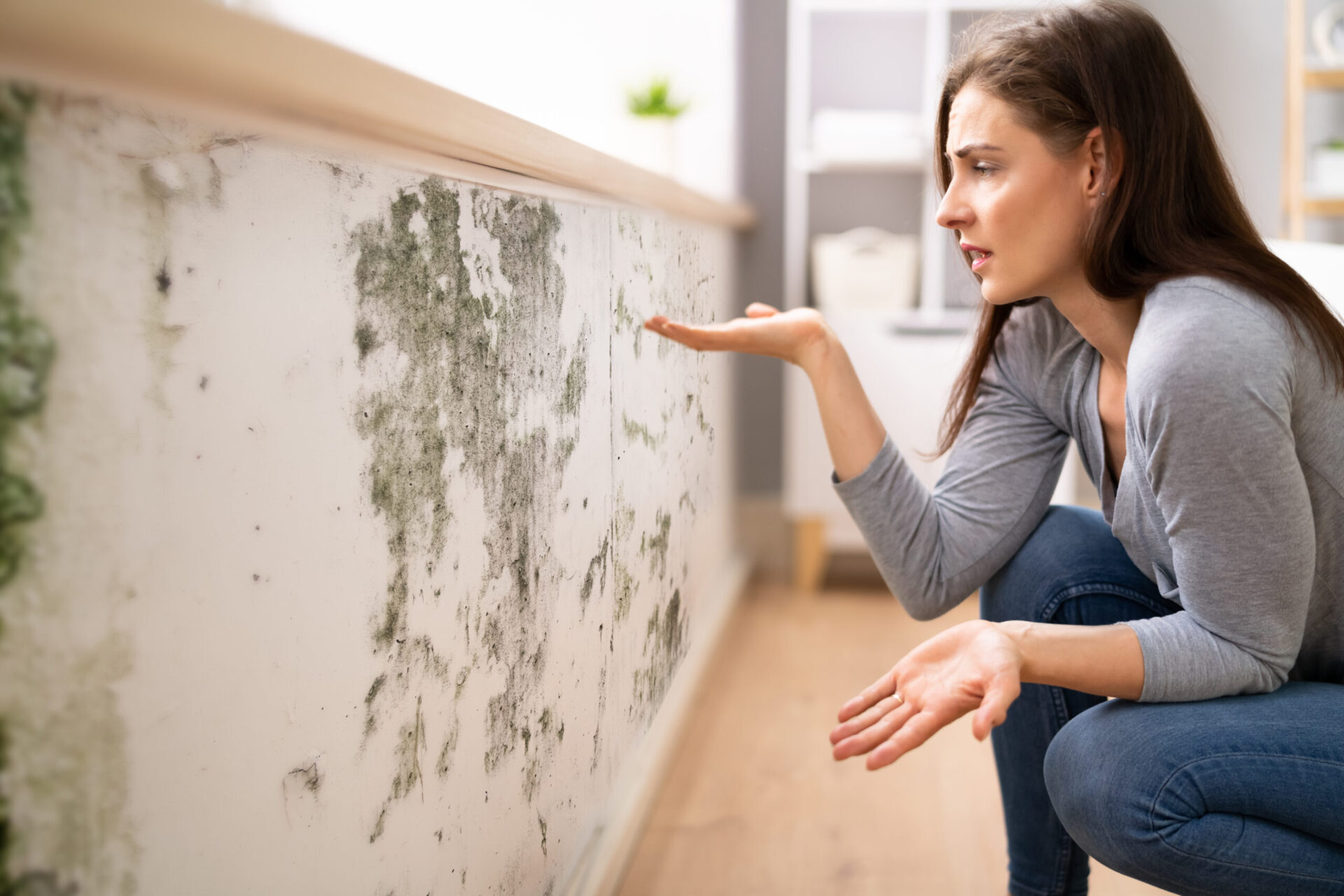
Visible Mold Growth: Mold often appears as black, green, or white patches on walls, ceilings, or floors.
Musty Odor: A persistent musty smell is a strong indicator of mold presence.
Water Stains: Discoloration or stains on walls and ceilings can signal moisture problems that may lead to mold growth.
Peeling Paint or Wallpaper: Moisture can cause paint or wallpaper to peel away from surfaces, a potential sign of underlying mold.
Health Symptoms: Mold exposure can cause or exacerbate health issues, including:
- Respiratory problems (e.g., coughing, wheezing, asthma)
- Allergic reactions (e.g., sneezing, itchy eyes)
- Skin irritation (e.g., rashes)
- Fatigue and headaches
Professional Mold Remediation: The ConstrucTEAM Process
Mold isn’t just cleaned; it’s remediated. We follow strict industry protocols to ensure fungal growth is physically removed and the moisture source is permanently neutralized.
1. Comprehensive Inspection & Moisture Mapping
We don’t just look at the visible spots. Our team uses thermal imaging and moisture meters to find hidden water intrusion behind drywall and under flooring. By identifying the source of the moisture, we ensure that once the mold is removed, it stays gone.
2. IICRC S520 Standards & Safe Containment
We follow the IICRC S520 gold standard for professional mold remediation. This protocol ensures that mold is not just “killed” with chemicals—which can leave behind allergenic spores—but is physically removed from the environment. To prevent cross-contamination, we isolate the affected area using heavy-duty plastic barriers.
3. HEPA Filtration & Negative Air Pressure
During the removal process, we utilize professional-grade air scrubbers equipped with HEPA filtration. This allows us to maintain negative air pressure within the containment zone, ensuring that microscopic mold spores are captured and filtered rather than migrating to the rest of your home.
4. Precision Removal & HEPA Vacuuming
Following strict safety protocols, we remove “porous” contaminated materials (like drywall or insulation) that cannot be salvaged. Non-porous surfaces are cleaned using specialized HEPA vacuums and antimicrobial treatments to physically eliminate fungal colonies.
5. Sanitization & Structural Moisture Control
After physical removal, we scrub the air and sanitize all surfaces. The final and most important step is fixing the “Why.” We address the root cause—whether it’s a leaky pipe, poor attic ventilation, or high humidity. If the mold has caused structural rot, our reconstruction team is ready to replace compromised framing and joists.
Get in Touch with Constructeam
If you suspect mold in your home or have noticed any of the signs mentioned above, don’t hesitate to contact Constructeam. Our experienced professionals are dedicated to providing safe and effective mold remediation services to protect your home and health.
Contact us today at (586) 232-5812 to schedule an inspection or to learn more about how we can help you maintain a safe and healthy living environment. Let Constructeam handle your mold issues so you can breathe easy and enjoy your home with peace of mind!
Constructeam services Metro Detroit and Macomb County, including Shelby Township, MI.