
STORM, WIND, & HAIL DAMAGE
Storm Damage Restoration Across Macomb, Oakland, and Wayne Counties
CONSTRUCTEAM provides 24/7 storm damage restoration for homes, commercial properties, and multi-unit buildings across Macomb County, Oakland County, Wayne County, and nearby communities.
Our local, IICRC-certified team helps stabilize storm-damaged properties with emergency board-up, roof tarping, water extraction, controlled drying, damage documentation, temporary protection, and reconstruction support when wind, hail, fallen trees, roof leaks, or water intrusion affect the structure.
- 4.9 Google Rating
- 157 Google Reviews
- IICRC Certified
- Licensed Michigan Residential Builder
- Recent Restoration Projects
Why a Licensed Builder Matters for Storm Damage Repair and Restoration
Storm damage restoration is not always finished when the roof is tarped or the water is removed.
Many storm damage companies focus only on emergency stabilization, water extraction, temporary tarping, and drying. That work matters, but it may not solve the full problem if wind, hail, fallen trees, or water intrusion damaged roofing, siding, gutters, windows, doors, framing, ceilings, drywall, structural materials, or finished spaces.
CONSTRUCTEAM is both a restoration company and a licensed Michigan residential builder. That means our team can help with emergency storm response, water mitigation, damage documentation, repair planning, and the reconstruction work that may be needed after the property is stabilized.
For homeowners, property managers, and business owners, that creates a clearer process: one local team, one coordinated scope of work, and one company helping move the property from storm damage cleanup to repair and reconstruction.

Looking for Storm Damage Restoration Near You?
CONSTRUCTEAM is based in Fraser and provides emergency storm damage restoration across Southeast Michigan. Our team helps homeowners, property managers, and businesses with board-up, roof tarping, water intrusion control, damage documentation, cleanup, repair planning, and reconstruction after storm damage.
If you are dealing with roof leaks, wind damage, hail damage, fallen limbs, storm-related water intrusion, exterior damage, or structural concerns after severe weather, call to confirm crew availability for your location.
Call 24/7 Emergency Help24/7 Emergency Storm Damage Response
After severe weather moves through, storm damage can continue if the property is not stabilized. Wind, hail, fallen trees, roof leaks, broken windows, and wind-driven rain can expose the structure to water intrusion and additional damage.
Emergency storm damage restoration should begin as soon as it is safe to access the property. Early stabilization helps protect the structure, reduce moisture damage, document visible conditions, and prepare the property for drying, repair planning, and reconstruction support.
What Storm Damage Restoration Includes
Storm damage restoration is more than cleaning up after severe weather. Wind, hail, fallen trees, roof leaks, flooding, and wind-driven rain can affect the roof, siding, windows, interior materials, contents, and structural components.
Storm damage restoration may include:
Stabilize the Property
- Emergency board-up and site security
- Roof tarping and temporary protection
- Tree impact stabilization or temporary shoring
Remove Water and Control Moisture
- Water extraction after storm-related intrusion
- Controlled drying and humidity control
- Moisture documentation for affected materials
Document, Repair, and Rebuild
- Photos, scope notes, and insurance documentation
- Roofing, siding, gutter, window, and door repair planning
- Structural repair and reconstruction support when cleanup is not enough
Storm Damage Restoration Process
Storm damage restoration follows a clear sequence because safety, temporary protection, water control, documentation, and repair planning need to happen in the right order.
Safety and Emergency Stabilization
The first priority is making the property safer to access and reducing additional damage. This may include hazard review, emergency board-up, temporary shoring, tree impact stabilization, or securing exposed areas after wind, hail, or falling debris.
Board-Up, Tarping, and Temporary Protection
Broken windows, damaged roofs, exposed siding, compromised doors, and other exterior openings need to be protected quickly. Emergency board-up, roof tarping, and temporary weather protection help stop rain and wind intrusion while the full repair scope is reviewed.
Water Removal and Controlled Drying
Wind-driven rain, roof leaks, and storm-related water intrusion can affect ceilings, drywall, insulation, flooring, framing, and contents. Cleanup may include water extraction, moisture readings, controlled drying, and humidity control.
Documentation and Insurance Coordination
Clear documentation helps support the claim and repair planning process. This may include photos, moisture readings, exterior damage notes, affected material documentation, and communication with the insurance adjuster.
Repair and Reconstruction Support
Once the property is stabilized and moisture is controlled, some storm losses require roofing, siding, gutter, window, door, drywall, framing, carport, garage, accessory structure, or structural repairs. ConstrucTEAM can help transition the project from storm damage restoration into repair and reconstruction.
Storm Damage Documentation for Insurance Claims
Storm damage claims often depend on clear documentation. Wind damage, hail damage, roof leaks, fallen trees, broken windows, water intrusion, damaged exterior materials, and structural concerns need to be identified, photographed, and organized so the repair scope is easier to understand.
Watch this video to see how CONSTRUCTEAM documents property damage, explains the restoration process, and helps property owners understand the next steps after a storm, wind, hail, or water-related loss.
CONSTRUCTEAM helps support the insurance review process by documenting visible storm damage, exterior damage, water intrusion, moisture conditions, affected materials, contents concerns, and the repair or reconstruction scope.
- Photos and Scope Notes Helps explain visible storm damage, affected rooms, exterior damage, interior water intrusion, damaged materials, and areas that may require cleanup, drying, repair, or reconstruction.
- Roof, Siding, and Exterior Damage Documentation Records visible damage to roofing, siding, gutters, windows, doors, trim, exterior materials, carports, garages, accessory structures, and other storm-exposed areas.
- Water Intrusion and Moisture Documentation Identifies moisture conditions caused by roof leaks, wind-driven rain, broken windows, damaged exterior materials, flooding, or storm-related openings in the structure.
- Tree Impact and Structural Damage Notes Helps document fallen tree damage, impact areas, temporary stabilization needs, damaged framing, roof systems, load-bearing components, and other structural concerns.
- Xactimate® Estimates Provides a clear restoration and reconstruction scope using estimating software commonly used in the insurance industry.
- Reconstruction Scope Support Helps connect the cleanup phase with repair planning when roofing, siding, gutters, windows, doors, drywall, flooring, framing, carports, garages, accessory structures, or finished spaces are affected.
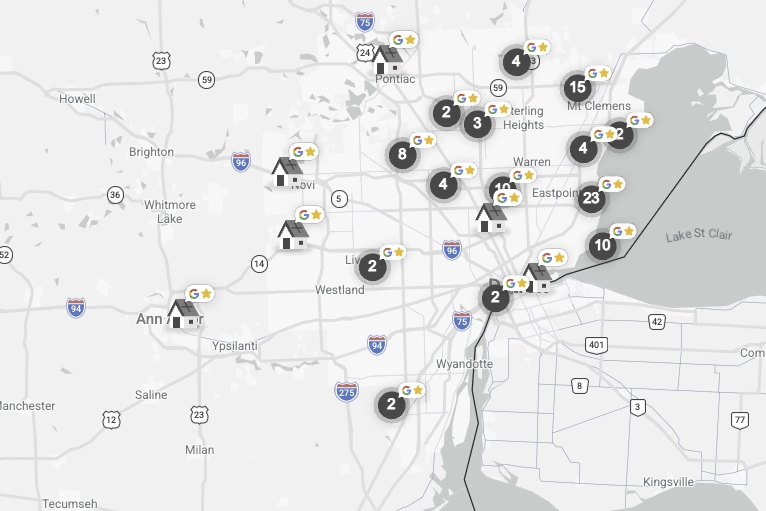
These project examples show how CONSTRUCTEAM helps Michigan property owners recover after wind damage, hail damage, fallen trees, roof leaks, siding damage, water intrusion, and structural storm damage. Storm losses often require both emergency stabilization and permanent repairs, so our team can help move the project from board-up, tarping, and water extraction into repair and reconstruction.
View recent CONSTRUCTEAM storm damage restoration and repair projects to see real examples of completed work, customer reviews, and service-area coverage.
Storm Damage Restoration Across Macomb, Oakland, and Wayne Counties
CONSTRUCTEAM is based in Fraser, Michigan, and provides emergency storm damage restoration throughout Macomb County, Oakland County, Wayne County, and nearby communities.
Storm damage can affect more than the exterior of the property. Wind, hail, fallen trees, roof leaks, broken windows, water intrusion, and structural concerns may all need to be reviewed quickly. For the fastest response, call our emergency line and our team will confirm crew availability for your location.
Macomb County Storm Damage Response
Fraser, Sterling Heights, Clinton Township, Shelby Township, Macomb Township, Warren, Roseville, St. Clair Shores, Eastpointe, Harrison Township, Mt. Clemens, and nearby Macomb County communities.
Oakland County Storm Damage Response
Troy, Rochester, Rochester Hills, Royal Oak, Birmingham, Southfield, Bloomfield Hills, and nearby Oakland County communities.
Wayne County Storm Damage Response
Grosse Pointe, Harper Woods, Detroit-area properties, and nearby Wayne County communities.
Need emergency storm damage help? Call now for the fastest response and to confirm crew availability for your location.
Call for Storm Damage Help
Why Property Owners Choose CONSTRUCTEAM After Storm Damage
Storm damage is stressful, time-sensitive, and often more complex than what is visible from the outside.
Michigan property owners choose CONSTRUCTEAM because our team can help stabilize the property, stop active water intrusion, document the loss, address storm-related moisture damage, and coordinate the repair or reconstruction work that may follow.
30+ Years of Local Experience
We understand homes and commercial properties across Macomb, Oakland, and Wayne Counties, including older structures, seasonal storms, freeze-thaw conditions, varied exterior materials, and the repair challenges that can follow wind, hail, fallen trees, roof leaks, and water intrusion.
IICRC-Certified Restoration Team
Our storm damage restoration process is guided by professional restoration standards, field experience, and trained technicians who understand emergency mitigation, moisture control, drying, and stabilization.
Board-Up, Tarping, and Water Control
Storm damage can expose the property quickly. CONSTRUCTEAM helps with emergency board-up, roof tarping, temporary protection, water extraction, controlled drying, and moisture documentation after severe weather.
Insurance-Aware Documentation
We help document visible storm damage, roof leaks, wind and hail damage, water intrusion, fallen tree impact, affected materials, contents concerns, and repair needs to support the claim review process.
Repair and Reconstruction Support
When storm damage affects roofing, siding, gutters, windows, doors, drywall, flooring, framing, carports, garages, accessory structures, or structural materials, CONSTRUCTEAM can help transition the project from cleanup into repair planning and reconstruction.
One Company From Stabilization to Rebuild
You do not have to coordinate separate emergency, repair, and construction companies. CONSTRUCTEAM can help keep documentation, repair planning, water control, and reconstruction communication under one local team.
Related Restoration and Repair Services After Storm Damage
Storm damage can create several connected restoration needs, including roof leaks, water intrusion, damaged exterior materials, fallen tree impact, structural repairs, moisture control, and finished reconstruction. Storm restoration focuses on stopping the damage from getting worse first. Once the property is stabilized, the project may transition into storm damage repair, structural repair, water damage restoration, mold remediation, or reconstruction.
Storm Damage Repair
For storm-damaged roofing, siding, gutters, windows, doors, exterior materials, carports, garages, and structural areas that need permanent repair after emergency stabilization.
Learn MoreStructural Repair After Damage
For framing, roof systems, exterior materials, load-bearing components, subfloors, carports, garages, or structural areas affected by wind, water, or impact.
Learn MoreWater Damage Restoration
For water damage caused by roof leaks, wind-driven rain, flooding, broken windows, damaged exterior materials, or storm-related openings in the structure.
Learn MoreMold Remediation
For moisture problems that create mold concerns after roof leaks, flooding, storm-related water intrusion, hidden wet materials, or delayed drying.
Learn MoreCommercial Emergency Restoration
For businesses, offices, retail spaces, multifamily buildings, and commercial properties that need coordinated restoration after storm, wind, hail, or water damage.
Learn MoreFAQs About Storm Damage Restoration
CONSTRUCTEAM helps homeowners, property managers, and businesses understand what to do after storm damage, including emergency board-up, roof tarping, water extraction, drying, insurance documentation, storm damage repair, structural repair, and reconstruction support.
What should I do first after storm damage?
The first step is to make sure everyone is safe and avoid entering areas with electrical hazards, roof damage, fallen trees, standing water, broken glass, or unstable materials. Once it is safe, call a professional storm damage restoration company to help stabilize the property, stop active water intrusion, document visible damage, and begin emergency mitigation.
What does storm damage restoration include?
Storm damage restoration may include emergency board-up, roof tarping, temporary weather protection, water extraction, controlled drying, moisture readings, debris removal, damage documentation, contents review, and repair or reconstruction planning when the property has structural or exterior damage.
How quickly should storm damage restoration begin?
Storm damage restoration should begin as soon as it is safe to access the property. Delays can allow water to spread into insulation, drywall, flooring, framing, ceilings, and contents. Fast response helps reduce secondary damage, supports insurance documentation, and helps create a clearer path to repair.
What types of storm damage need professional restoration?
Professional storm damage restoration may be needed after roof leaks, wind-driven rain, hail damage, fallen trees, broken windows, damaged siding, flooding, lightning-related damage, wet drywall, soaked insulation, water-damaged flooring, or moisture conditions that could lead to mold.
Is storm damage restoration different from storm damage repair?
Yes. Storm damage restoration focuses on emergency stabilization, water removal, drying, temporary protection, and damage documentation. Storm damage repair focuses on permanent fixes such as roofing, siding, gutters, windows, doors, framing, carports, garages, accessory structures, and finished reconstruction. Many storm losses need both.
Can storm damage cause hidden water damage?
Yes. Storm damage can cause hidden water intrusion behind walls, under flooring, above ceilings, inside insulation, and around roof or window openings. Even if the visible damage looks minor, moisture can continue spreading if the property is not inspected, dried, and documented properly.
Do I need roof tarping or board-up after a storm?
You may need roof tarping or board-up if the storm damaged your roof, windows, doors, siding, or other exterior openings. Temporary protection helps stop rain and wind intrusion while the property is assessed and the repair scope is reviewed.
Can storm damage lead to mold?
Yes. Mold can develop when storm-related water intrusion is not dried quickly or when moisture remains trapped inside walls, ceilings, insulation, flooring, or other building materials. Prompt water extraction, controlled drying, and moisture documentation help reduce the risk of mold growth.
Will you help document storm damage for insurance?
Yes. CONSTRUCTEAM helps document visible storm damage, water intrusion, affected materials, moisture conditions, roof leaks, fallen tree impact, exterior damage, and repair needs. Documentation may include photos, moisture readings, scope notes, and estimates to support the insurance review process.
Do you handle storm damage for both homes and businesses?
Yes. CONSTRUCTEAM provides storm damage restoration for homes, apartment buildings, multi-unit properties, offices, retail spaces, and commercial facilities. The response depends on the property type, damage severity, access, occupancy, safety concerns, and insurance requirements.
What happens after the property is stabilized?
After emergency stabilization, the next step is reviewing the full damage scope. Some properties only need drying and minor repairs. Others may need storm damage repair, structural repair, roofing, siding, gutter work, window or door replacement, drywall repair, flooring repair, or reconstruction.
Can CONSTRUCTEAM help with storm damage repair and reconstruction?
Yes. CONSTRUCTEAM is both a restoration company and a licensed Michigan residential builder. That means the team can help move the project from emergency storm damage restoration into storm damage repair, structural repair, exterior repair, interior build-back, or reconstruction when cleanup alone is not enough.
24/7 Emergency Storm Damage Help Across Macomb, Oakland, and Wayne Counties
Storm damage can spread quickly when wind, rain, roof leaks, fallen trees, or broken exterior materials expose the property.
ConstrucTEAM helps stabilize storm-damaged homes and commercial properties with emergency board-up, roof tarping, water extraction, drying, documentation, and repair planning.