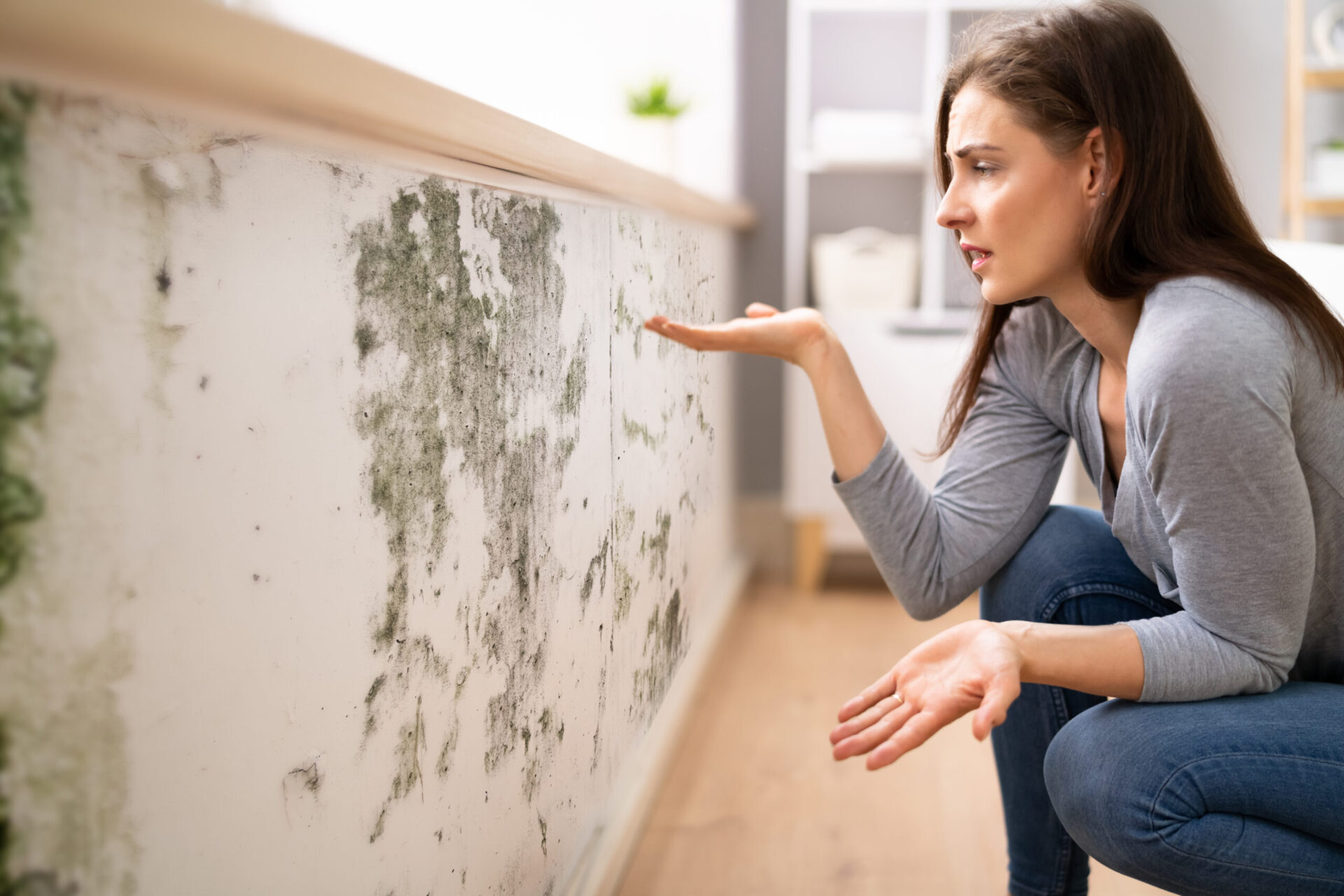


Basement flooding and water damage can happen quickly, especially after heavy rain, sump pump failure, burst pipes, appliance leaks, sewer backups, roof leaks, or storm-related water intrusion. For Southeast Michigan homeowners, water damage is not only about removing standing water. It is about drying the structure, documenting the damage, reducing mold risk, and repairing affected materials after the property is stabilized.
ConstrucTEAM is based in Fraser and provides emergency water damage restoration across Southeast Michigan. With 20 years in business, our team helps homeowners, property managers, and businesses move from water extraction and drying into repair planning and reconstruction when water damage affects finished spaces.
Common Causes of Basement Flooding and Water Damage
Water damage can come from several sources, and each one requires the right response. Some water losses are clean water events, while others may involve contamination, sewage, or storm-related intrusion.
Heavy Rain and Storm Water Intrusion
Southeast Michigan storms can overwhelm drainage systems, gutters, downspouts, sump pumps, and low-lying areas around the foundation. When water enters a basement, crawlspace, or finished lower level, fast extraction and drying are important to help limit damage.
Sump Pump Failure
A sump pump failure can lead to basement flooding during heavy rain, spring thaw, or periods of high groundwater. If the basement is finished, water can quickly affect flooring, drywall, trim, insulation, stored belongings, and mechanical areas.
Burst or Leaking Pipes
Frozen pipes, aging plumbing, loose connections, and sudden pipe bursts can release large amounts of water into walls, ceilings, basements, kitchens, bathrooms, and utility spaces. These losses often require moisture checks behind finished surfaces, not just visible cleanup.
Appliance and Water Heater Leaks
Washing machines, dishwashers, refrigerators, and water heaters can cause water damage that spreads under flooring, behind cabinets, or into nearby rooms. Even slow leaks can create hidden moisture problems if they are not found and dried properly.
Roof Leaks and Exterior Openings
Roof damage, clogged gutters, missing flashing, damaged siding, and storm-created openings can allow water to enter ceilings, attics, walls, and finished living areas. These situations may need both storm damage restoration and water damage restoration.
Sewage Backups and Contaminated Water
Some basement flooding involves sewage, drain backups, or contaminated water. These situations require specialized cleanup, disinfection, drying, and material handling because the water may be unsafe to touch.
Why Basement Flooding Needs Fast Professional Attention
Basement flooding can look manageable at first, but moisture often travels farther than the visible water line. Water can move under flooring, behind baseboards, into drywall, through insulation, and into wall cavities.
If the affected areas are not properly dried and documented, property owners may face additional damage, including:
- Mold growth
- Damaged drywall and insulation
- Warped flooring or trim
- Odors
- Damaged contents
- Electrical or mechanical concerns
- Structural material deterioration
- Repair or reconstruction needs after drying
Professional water damage restoration helps identify where the water traveled, what materials were affected, and whether drying, removal, repair, or reconstruction is needed.
What Water Damage Restoration Includes
Water damage restoration is the process of stabilizing the property after a water loss. Depending on the source and severity of the damage, the work may include:
- Emergency water extraction
- Basement water removal
- Moisture readings
- Thermal imaging where appropriate
- Structural drying
- Dehumidification
- Affected material removal
- Cleaning and disinfection
- Odor control
- Mold risk reduction
- Damage documentation
- Insurance-related photos and scope notes
- Repair planning
- Reconstruction after damaged materials are removed
The goal is not only to remove visible water. The goal is to dry affected areas properly, reduce secondary damage, and create a clear path toward repair.
Water Damage Repair After Drying
Some water damage projects only require extraction, drying, and cleanup. Others need repair once the structure is dry.
If water damages drywall, flooring, trim, cabinets, ceilings, framing, or finished basement materials, the next step may be water damage repair or reconstruction. Because ConstrucTeam is both a restoration company and a licensed Michigan residential builder, our team can help move the project from mitigation into repair and rebuild work when cleanup alone is not enough.
Mold Risk After Basement Flooding
Mold risk increases when moisture remains trapped in walls, flooring, insulation, wood, carpet, or stored contents. Fast water extraction and controlled drying can help reduce that risk, but moisture documentation is important.
If a basement has had repeated flooding, hidden leaks, sewage backups, or incomplete drying, mold remediation may be needed before repairs are completed.
Insurance Documentation After Water Damage
Water damage documentation can help property owners and insurance carriers better understand the loss. Documentation may include photos, moisture readings, drying logs, thermal imaging, affected material notes, and repair scope details.
Coverage depends on the cause of the water damage and the terms of the policy. A burst pipe may be handled differently than a sump pump failure, sewage backup, flood event, or long-term leak. Good documentation helps clarify what happened, what was affected, and what may be needed next.
What to Do First After Basement Flooding
If your basement floods, take these steps only if it is safe:
- Avoid standing water if there may be electrical hazards.
- Stop the water source if you can do so safely.
- Keep people and pets away from contaminated water.
- Move valuables away from affected areas if possible.
- Document visible damage with photos.
- Call for emergency water damage restoration.
- Do not use household fans across contaminated areas.
- Do not remove damaged materials until the situation is assessed, unless safety requires it.
Fast response can help reduce damage, mold risk, and repair complications.
Emergency Water Damage Restoration in Southeast Michigan
ConstrucTeam provides emergency water damage restoration from its Fraser location for homeowners, property managers, and businesses across Southeast Michigan. Our team helps with flooded basements, sump pump failures, burst pipes, appliance leaks, storm-related water intrusion, sewage backups, structural drying, documentation, repair planning, and reconstruction after water damage.
If water damage has affected your home or business, call ConstrucTeam for emergency help and crew availability in your area.
Related Services
Frequently Asked Questions About Water Damage and Basement Flooding
ConstrucTeam helps Southeast Michigan property owners understand what causes basement flooding, what to do after water damage, when professional drying is needed, and when repair or reconstruction may be the next step.
What should I do first if my basement floods?
If it is safe, stop the water source, avoid standing water near electrical hazards, move valuables away from affected areas, and document visible damage with photos. If the water may be contaminated or the flooding is active, keep people and pets away and call for emergency water damage restoration.
Can basement flooding cause mold?
Yes. Mold risk increases when moisture remains in drywall, insulation, flooring, carpet, trim, wood, or stored contents. Fast water extraction, controlled drying, and moisture documentation can help reduce the risk of mold growth after basement flooding.
Does water damage restoration include basement repairs?
It can. Some water damage projects only require extraction, drying, and cleanup. Others require drywall replacement, flooring repair, trim work, cabinet repair, or reconstruction after damaged materials are removed. ConstrucTeam can help with repair and rebuild work after mitigation is complete.
Is a sump pump failure considered water damage?
Yes. A sump pump failure can cause basement water damage, especially during heavy rain, spring thaw, or high groundwater conditions. Depending on the water source and the insurance policy, coverage may vary, so documentation is important.
When should I call a professional for basement water damage?
Call a professional if there is standing water, wet drywall, soaked flooring, sewage, odors, storm-related intrusion, electrical concerns, or moisture that may have spread behind finished surfaces. Professional drying can help identify hidden moisture and reduce secondary damage.