
Mold Remediation in Troy, MI
Mold remediation is more than cleaning visible mold. The process may involve identifying the moisture source, containing the affected area, cleaning or removing impacted materials, and repairing the space after remediation is complete.
CONSTRUCTEAM provides mold remediation in Troy, MI for homes, condos, apartments, offices, retail spaces, and commercial properties.
Our team helps identify moisture problems, contain affected areas, handle damaged materials, clean impacted surfaces, and complete repairs or reconstruction when mold remediation affects finished spaces.
Why Mold Problems Need More Than Surface Cleaning
Mold often develops after water damage, humidity, roof leaks, plumbing leaks, basement flooding, sump pump failures, or hidden moisture behind walls and flooring.
In Troy properties, moisture may be concealed behind finished basement walls, under flooring, in mechanical areas, above ceiling tiles, or around older building materials.
Surface cleaning alone may not solve the problem if the moisture source remains.
CONSTRUCTEAM focuses on the full remediation process: finding the moisture issue, containing the affected area, cleaning or removing impacted materials, and repairing the space once remediation is complete.
Signs a Mold Problem May Need More Attention
- Visible mold
- Musty odors
- Staining or discoloration
- Bubbling paint
- Soft drywall
- Warped flooring
- Past water damage
- Repeated moisture problems
What Is the Difference Between Mold Removal and Mold Remediation?
The terms are often used interchangeably, but they do not describe exactly the same thing.
Mold Removal
Mold removal often refers to cleaning or physically removing visible mold from a surface or material.
Mold Remediation
Mold remediation is broader. It may include identifying the moisture source, containment, affected-material handling, cleaning, filtration, and repairs after the affected area is stabilized.
Addressing only what is visible may leave the conditions that allowed the mold to develop in the first place.
Common Mold Problems in Troy Properties
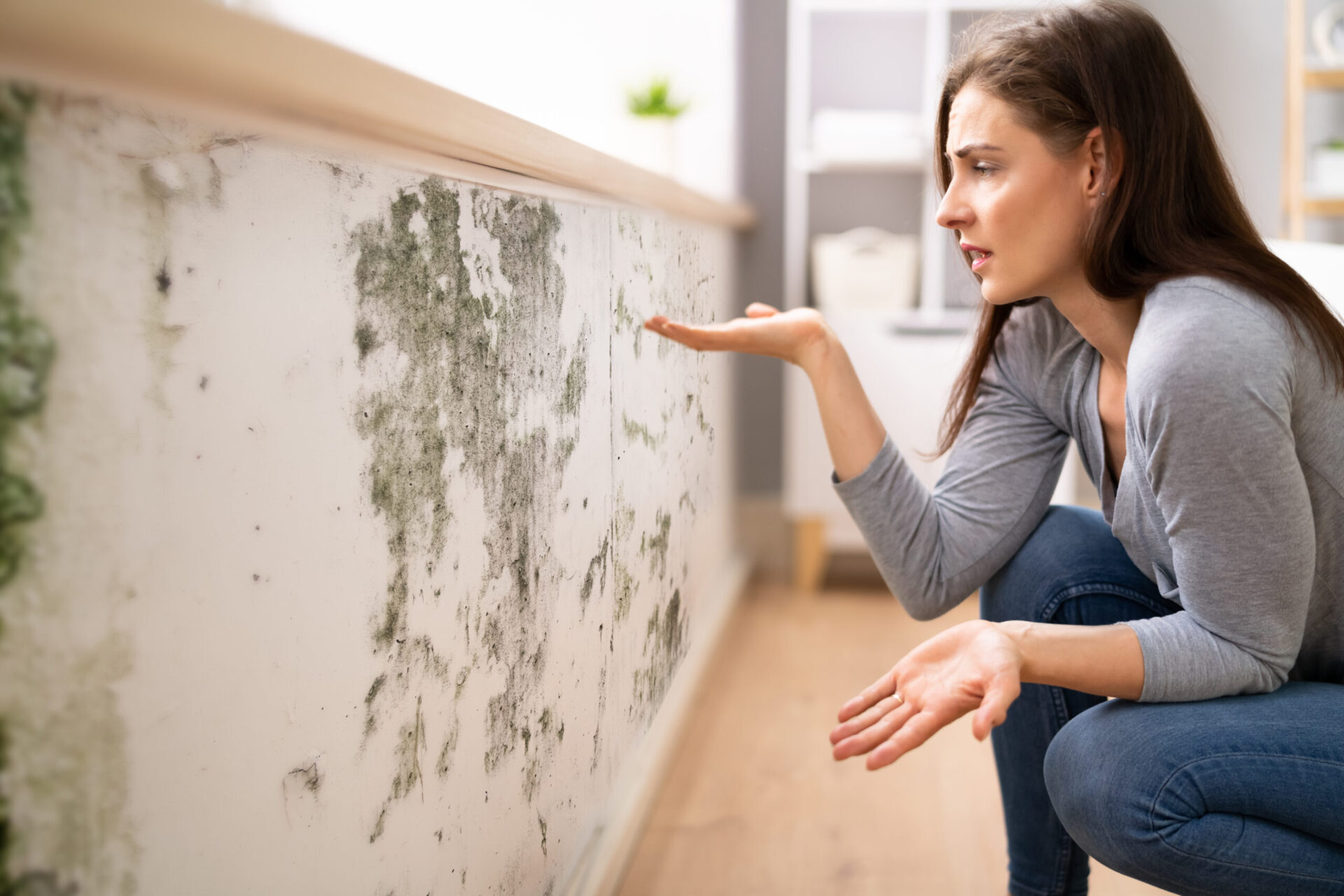
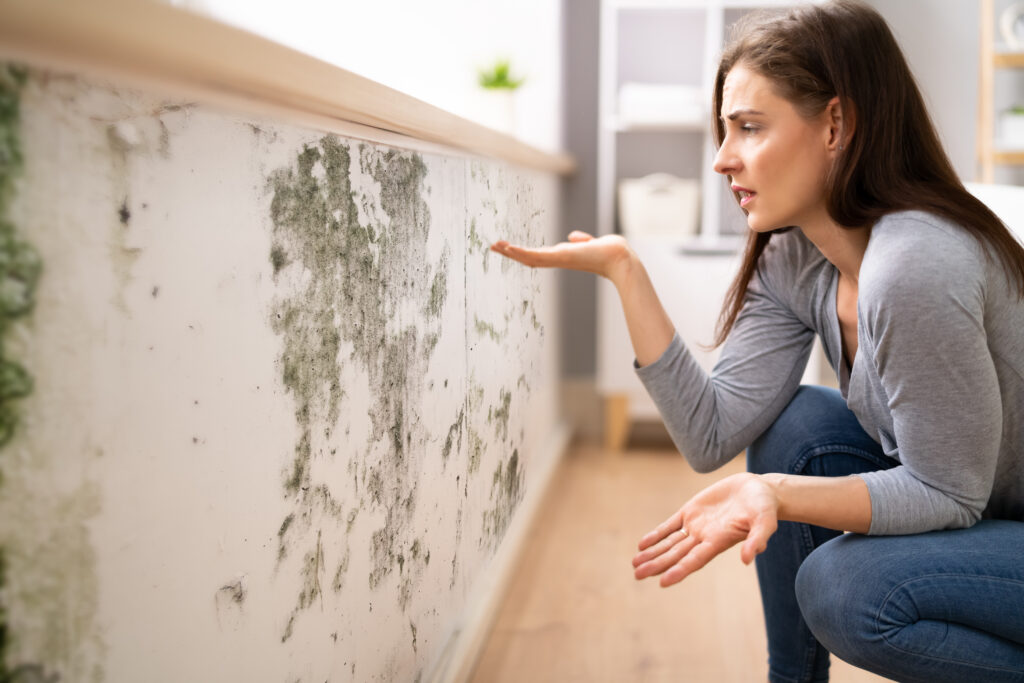
Mold may be visible, hidden, or suspected because of odor, staining, past leaks, flooding, or repeated moisture problems.
Mold After Water Damage
Water left behind after plumbing leaks, burst pipes, flooding, or other losses can affect drywall, flooring, trim, insulation, and concealed spaces.
Basement Mold
Finished basements may hide moisture behind drywall, paneling, flooring, insulation, or other materials after flooding or sump pump failure.
Roof, Window & Exterior Leaks
Roof leaks, window leaks, and other exterior moisture sources can affect walls, ceilings, framing, and finished materials.
Bathrooms, Laundry & Utility Areas
Areas that regularly deal with plumbing, humidity, or moisture may develop mold when damp conditions persist.
Hidden Mold
Mold may develop behind drywall, beneath flooring, around mechanical areas, or in other locations that are not immediately visible.
Commercial Interior Mold
Offices, retail spaces, apartments, and other commercial interiors may develop mold after leaks, flooding, or ongoing moisture problems.
How CONSTRUCTEAM Handles Mold Remediation
The exact scope depends on the affected materials, the moisture source, and how far the problem extends. CONSTRUCTEAM uses a step-by-step process to help control the affected area and prepare it for repair.
Inspection & Moisture Assessment
We inspect affected areas and look for the moisture source that may be feeding the mold. Moisture-detection tools may be used to help locate hidden dampness.
Containment
Containment helps reduce the spread of mold spores into unaffected areas during remediation. This may include barriers, controlled work areas, and filtration equipment.
Affected Material Handling
Mold-affected materials may be cleaned, removed, or prepared for repair depending on their condition and whether they can be appropriately cleaned.
HEPA Filtration & Cleaning
HEPA vacuums, air scrubbers, and professional cleaning methods may be used to help remove spores and clean affected surfaces.
Repair & Reconstruction
After remediation, damaged areas may need drywall, flooring, trim, painting, cabinet repair, or larger reconstruction.
Because CONSTRUCTEAM also handles repair and reconstruction, Troy property owners can continue from remediation into rebuilding without starting over with a separate contractor.
Mold Remediation After Water Damage
Mold and water damage are closely connected. A burst pipe, roof leak, flooded basement, sump pump failure, or drain backup can leave moisture behind even after the visible water is gone.
If affected materials are not adequately dried or removed, mold may develop behind walls, beneath floors, around baseboards, or inside finished basement areas.
One Team From Water Damage to Repair
CONSTRUCTEAM handles both water damage restoration in Troy and mold remediation, helping connect cleanup, drying, moisture documentation, remediation, repair, and reconstruction under one coordinated team.
How to Reduce the Risk of Mold Returning
The best way to reduce future mold growth is to control the moisture conditions that allowed the problem to develop.
If mold repeatedly appears in the same location, or musty odors return after cleanup, hidden moisture may still need to be investigated.
Helpful Moisture-Control Steps
- Repair plumbing, roof, window, or foundation leaks quickly
- Keep basement humidity under control
- Use bathroom and laundry ventilation
- Test sump pumps before heavy rain
- Consider battery backup where basement flooding is a recurring risk
- Dry wet materials promptly after leaks or water damage
- Watch for musty odors, stains, bubbling paint, or soft drywall
- Seek professional help if mold returns or hidden moisture is suspected
What Happens After Mold Is Removed?
Mold remediation may leave areas of the property ready for repair once affected materials have been removed or cleaned.
Repairs After Remediation
Depending on the project, repairs may involve drywall, flooring, trim, insulation, painting, cabinetry, or larger reconstruction work.
Insurance Documentation
Insurance coverage depends on the cause of the mold and the individual policy. Mold connected to a sudden covered water loss may be treated differently from mold associated with long-term maintenance conditions.
CONSTRUCTEAM can help document visible damage and the repair scope when insurance is involved, while the insurance carrier determines coverage.
Mold Cleanup, Moisture Detection, Repair & Reconstruction
If your Troy home, condo, apartment, office, retail space, or commercial property has visible mold, musty odors, or mold after water damage, CONSTRUCTEAM can help identify moisture problems, contain the affected area, and repair the space after remediation.
Call 24/7: (866) 372-1272CONSTRUCTEAM Can Help With
- Mold remediation
- Moisture detection
- Containment
- Affected-material handling
- HEPA filtration and cleaning
- Mold after water damage
- Repair after remediation
- Reconstruction when needed
Restoration Services for Troy Properties
Property damage can involve more than one type of restoration. A flooded basement can lead to mold, while fire or storm damage may also involve water, structural repairs, or reconstruction.
Mold Remediation Questions in Troy
How do I know if I need mold remediation?
Signs may include visible mold, musty odors, staining, bubbling paint, soft drywall, warped flooring, or past water damage. If mold is suspected behind walls, under flooring, or in a finished basement, a professional inspection can help determine what areas may be affected.
Is mold removal the same as mold remediation?
Not exactly. Mold removal often refers to cleaning or removing visible mold. Mold remediation is a broader process that includes identifying the moisture source, containing the affected area, cleaning or removing impacted materials, and reducing the conditions that allowed mold to grow.
Can I clean mold myself?
Small surface spots may be manageable in limited situations, but mold connected to leaks, flooding, drywall, insulation, flooring, or HVAC-adjacent areas should be professionally evaluated. Cleaning the surface without addressing hidden moisture may allow the problem to return.
Does CONSTRUCTEAM repair areas after mold remediation?
Yes. CONSTRUCTEAM can handle mold remediation and the repair or reconstruction work that follows. This may include drywall, flooring, trim, insulation, painting, cabinet repair, or larger rebuilding needs.
Is mold remediation covered by insurance?
Coverage depends on the cause of the mold and the policy. Mold related to a sudden covered water loss may be handled differently than mold caused by long-term maintenance issues. CONSTRUCTEAM can help document visible damage and the repair scope when insurance is involved.
How long does mold remediation take?
The timeline depends on the size of the affected area, the materials involved, the moisture source, and whether repairs are needed afterward. Smaller projects may take a few days, while larger mold remediation and reconstruction projects can take longer.