
Love Your New Remodel: Restoration & Remodeling You Can Trust
Property damage can force a remodel you never planned for. A plumbing leak may damage a kitchen. A fire can require walls, cabinets, flooring, and finishes to be rebuilt. Water in a basement can turn into a much larger reconstruction project.
But once damaged materials have to be removed, homeowners often have an opportunity to make thoughtful improvements instead of simply putting everything back exactly as it was.
CONSTRUCTEAM combines restoration, reconstruction, and remodeling so homeowners can move from emergency repairs to a finished space with one coordinated team.
Serving homeowners throughout Macomb County, Metro Detroit, and Southeast Michigan, CONSTRUCTEAM can manage the transition from property damage restoration into reconstruction and interior improvements.
When Property Damage Leads to Remodeling
Not every remodel starts with inspiration. Some start with water intrusion, fire damage, or storm-related structural problems.
The first priority is always addressing the damage and making the property safe. Depending on the loss, that may involve stabilization, mitigation, drying, removal of damaged materials, or structural repair.
Once that work is complete, reconstruction begins. That is also the point when homeowners may have decisions to make about what goes back into the space.
CONSTRUCTEAM manages restoration and reconstruction within the same operation, helping keep communication and responsibility centralized as the project moves forward.
Reconstruction May Be an Opportunity to Consider
- A more functional layout
- Updated cabinetry or storage
- More durable flooring and finishes
- Improved lighting
- Updated plumbing or electrical coordination
- Materials better suited to moisture-prone areas
Restoration vs. Remodeling: What Is the Difference?
After property damage, restoration and remodeling can become part of the same project, but they serve different purposes.
Restoration & Reconstruction
Restoration and reconstruction focus on repairing damage and returning the affected part of the home to a safe, functional condition.
Remodeling
Remodeling involves changes or upgrades chosen by the homeowner, such as different finishes, cabinetry, layouts, fixtures, or materials.
For example, if water damages kitchen cabinets, reconstruction may require replacing those cabinets. A homeowner may then decide to change the cabinet style, improve storage, or select a different countertop while the kitchen is already being rebuilt.
Understanding that distinction is especially important when insurance is involved.
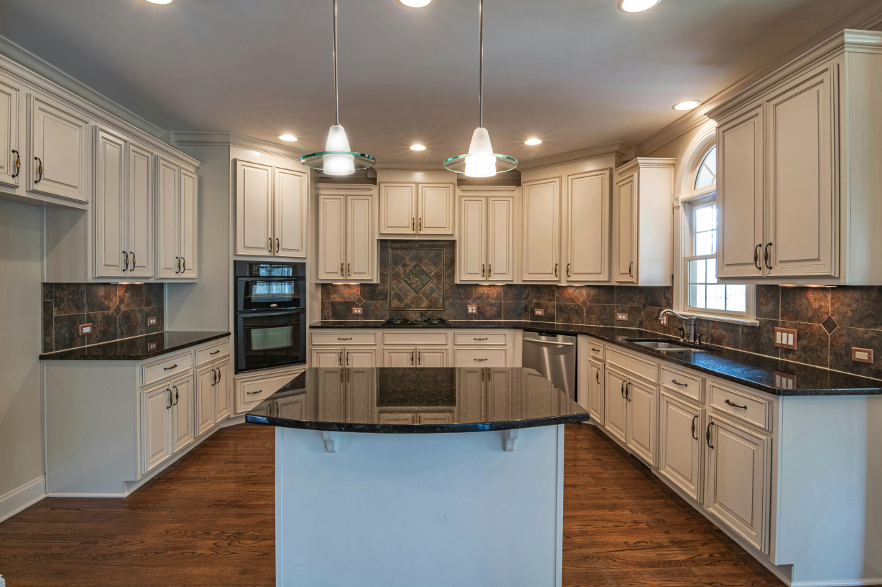
Kitchen Remodeling After Water or Fire Damage
Kitchens are commonly affected by plumbing failures, appliance leaks, and fire or smoke damage.
When cabinets, drywall, flooring, electrical components, or other materials must be removed, reconstruction can become an opportunity to improve how the kitchen functions.
The goal is not simply to make the room look new. The rebuilt kitchen should also work well for the homeowner and perform well over time.
Kitchen Remodeling May Include
- Cabinetry and storage updates
- Layout changes
- Countertops and backsplashes
- Lighting and electrical coordination
- Water-resistant flooring
- Appliance and plumbing integration
- Structural repairs when required
Bathroom Remodeling After Water Damage
Bathrooms require careful attention to moisture, ventilation, plumbing, and material selection.
After water damage, reconstruction may involve opening walls or floors, removing damaged finishes, repairing plumbing-related damage, and replacing materials that can no longer remain in place.
That creates an opportunity to reconsider parts of the bathroom before the room is finished again.
Moisture & Performance
- Updated plumbing coordination
- Moisture-resistant materials
- Improved ventilation
Finishes & Function
- New tile and flooring
- Updated fixtures and finishes
- Layout or storage improvements
A successful bathroom remodel should balance appearance with durability, especially in a room that regularly deals with moisture.
Basement Reconstruction After Water Damage
Basements can be especially vulnerable to water intrusion, plumbing failures, and other moisture-related problems.
When a basement has to be opened up for restoration, rebuilding can be a good time to reconsider how the space is used.
The restoration work addresses the damage. The remodeling decisions determine how the finished space will function after reconstruction is complete.
Basement Remodeling May Include
- Structural framing repairs
- Insulation and moisture-control improvements
- New flooring and finishes
- Family rooms or recreational areas
- Home office space
- Guest areas
- Storage reconfiguration
Can You Upgrade Your Home During an Insurance Restoration?
Often, yes.
Insurance typically addresses the work required to restore covered damage to the property's pre-loss condition. Homeowners may choose to make additional improvements while reconstruction is underway.
For example, a covered loss may require replacing damaged flooring, cabinets, or drywall. The homeowner may choose a different finish, upgrade a material, or make another improvement beyond the covered restoration scope.
Damage-Related Restoration
Work required because of covered property damage and needed to restore the affected part of the home.
Homeowner-Selected Upgrades
Optional improvements beyond the restoration scope, such as upgraded finishes, layout changes, or different materials.
CONSTRUCTEAM can help document the restoration work and identify where the damage-related scope ends and homeowner-selected upgrades begin.
From Damage to Finished Remodel
One of the biggest challenges after significant property damage is the number of companies that can become involved.
Emergency mitigation may be handled by one contractor. Reconstruction may go to another. Remodeling or finish work may require yet another company.
CONSTRUCTEAM takes a different approach.
Emergency Stabilization
Immediate work to help control additional damage.
Mitigation & Drying
Water extraction, controlled drying, cleanup, or other restoration work as needed.
Damage Documentation
Identifying what must be repaired or reconstructed and planning the next phase.
Reconstruction
Rebuilding damaged walls, floors, framing, cabinetry, and other components.
Remodeling & Finishes
Incorporating homeowner-selected improvements before the project is completed.
Keeping these phases coordinated helps reduce unnecessary handoffs and gives the homeowner a clearer path from the original damage to the finished space.
When Does It Make Sense to Remodel During Reconstruction?
A damage-related reconstruction project may be a practical time to consider improvements when parts of the home are already being opened, removed, or rebuilt.
- Cabinets or countertops already have to be removed
- Flooring must be replaced
- Walls are already open
- Plumbing or electrical work is already part of the project
- A damaged basement needs substantial reconstruction
- The existing layout was not working well before the loss
- The homeowner was already considering an upgrade
That does not mean every restoration project needs to become a remodel.
The advantage is having the option to evaluate improvements before reconstruction is completed, rather than tearing into the finished space again later.
Restoration and Remodeling Across Metro Detroit
CONSTRUCTEAM provides restoration, reconstruction, and remodeling services from its Fraser, Michigan location for homeowners throughout Macomb County, Metro Detroit, and Southeast Michigan.
Whether a project begins with water damage, fire and smoke damage, storm damage, or a planned renovation, the goal is the same: restore the property safely and create a finished space that works for the people who live there.
Restoration & Remodeling Questions
Can I upgrade my home during the restoration process?
Yes. Many homeowners choose to update finishes, layouts, materials, cabinetry, flooring, or other features while reconstruction is underway. Damage-related restoration and optional remodeling upgrades should be identified separately so the scope of each is clear.
Does insurance pay for remodeling after property damage?
Insurance typically covers repairs required to restore covered damage to the home's pre-loss condition. Improvements beyond that restoration scope may be treated as homeowner-selected upgrades. Coverage depends on the individual policy and loss.
How long does reconstruction take after water or fire damage?
The timeline depends on the extent of the damage, required drying or mitigation, structural repairs, inspections, material availability, and the amount of reconstruction involved. Smaller reconstruction projects may take a few weeks, while larger rebuilds can take longer.
Do I need separate contractors for restoration and remodeling?
Not necessarily. CONSTRUCTEAM manages restoration, reconstruction, and remodeling, allowing the project to move from mitigation into finished construction without transferring the work to an entirely separate remodeling company.
Can I change the layout while my home is being reconstructed?
In some projects, yes. If walls, cabinetry, flooring, or other parts of the room are already being reconstructed, there may be an opportunity to consider layout changes. What is practical will depend on the structure, plumbing, electrical systems, permits, project scope, and budget.
Is remodeling after property damage required?
No. A home can be reconstructed without adding optional upgrades. Remodeling is simply an opportunity homeowners may choose to consider when damaged spaces are already being rebuilt.