
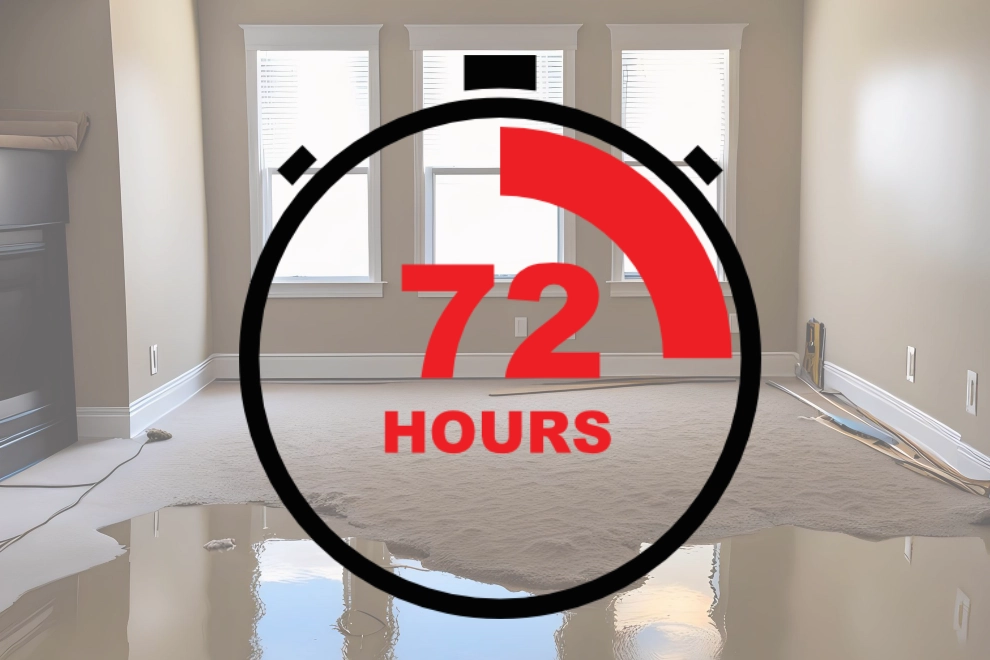
When a pipe bursts or a basement floods in Southeast Michigan, the clock starts on two things: the growth of mold and the “denial window” for your insurance claim. At CONSTRUCTEAM, we don’t just extract water; we provide the scientific documentation required to prove your loss to an adjuster and ensure your home’s structural integrity is fully restored.
Why Your Insurance Adjuster Needs More Than Photos
By the time an insurance adjuster arrives at your property—often 3 to 5 days after the event—the standing water is gone. If your restoration company only took “after” photos, the adjuster may categorize hidden moisture as “long-term seepage” or “pre-existing wear and tear,” both of which are common grounds for claim denial.
The ConstrucTEAM Difference: Technical Proof
We utilize Thermal Imaging (Infrared) and Digital Moisture Mapping to “see” water trapped inside wall cavities and subfloors. This data creates an indisputable audit trail. We don’t just tell the insurance company it was wet; we show them the atmospheric readings and moisture percentages that prove it.
The Danger of "Surface Drying"
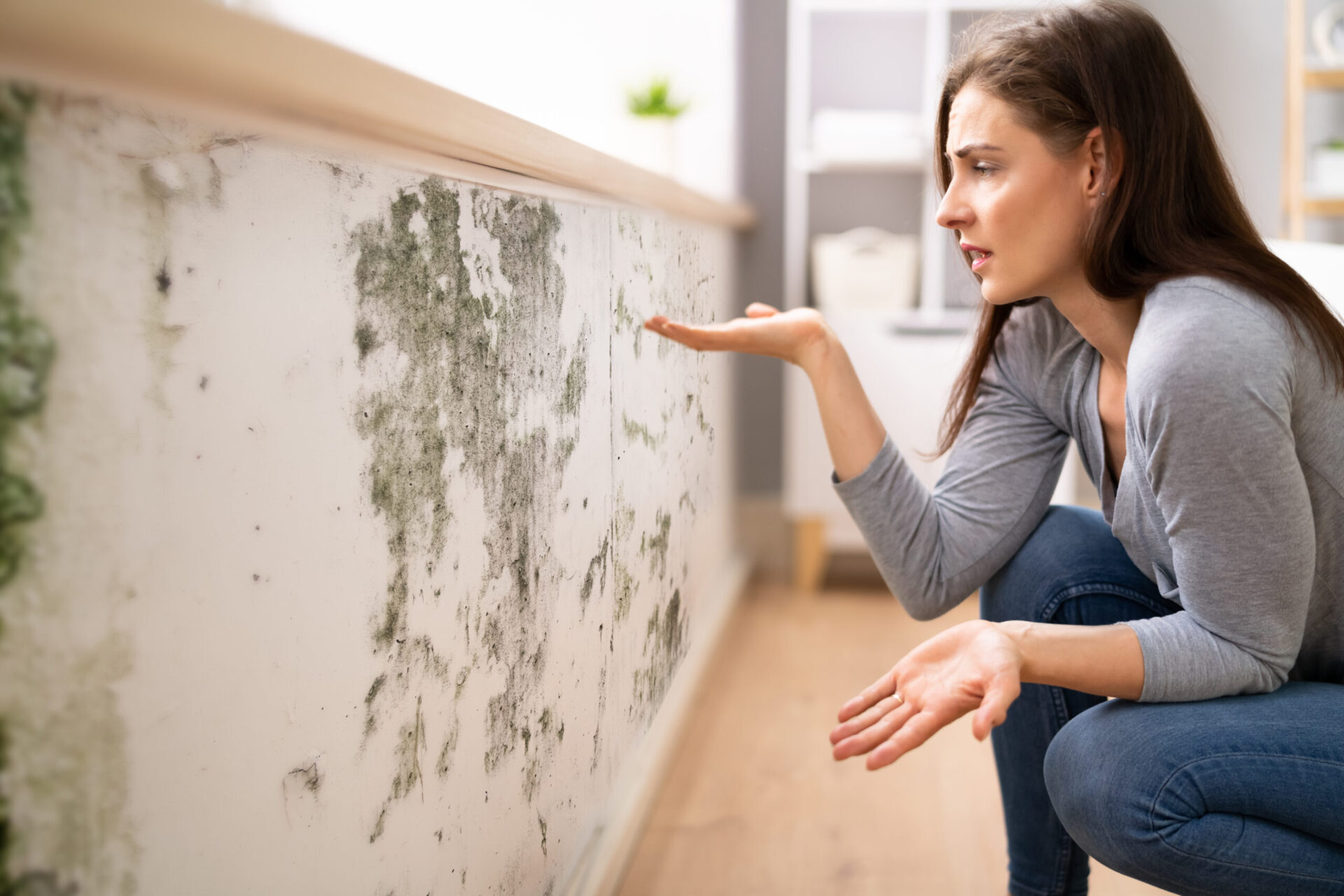
If a contractor stops when the carpet “feels dry,” they are leaving you at risk for secondary damage. Trapped moisture in the “dark zones” of your home (behind baseboards and under cabinets) will trigger mold growth within 48 hours.
Our IICRC-certified technicians use Low Grain Refrigerant (LGR) dehumidifiers to pull moisture out of the deep structural elements, ensuring your home meets “Dry Standards” before we ever pull our equipment.
Frequently Asked Questions: Water Claims & Recovery
Does homeowners insurance cover water damage restoration?
Most standard homeowners insurance policies cover water damage if the cause was “sudden and accidental,” such as a burst pipe or failed water heater. However, coverage is often denied if the homeowner fails to take “immediate action” to mitigate the damage or lacks the professional documentation to prove the source of the loss.
What is the first thing I should do if my basement floods?
Restoration HEPA filters must be changed after every “Category 3” (sewage) or mold remediation project. For standard drying, filters are monitored via pressure-drop sensors and changed according to manufacturer-certified hourly logs to maintain maximum air-scrubbing efficiency.
The Advantage of a "One-Claim" Contractor
Most homeowners in Macomb and Oakland Counties are forced to manage two different companies: one to dry the house and one to rebuild it. This leads to “The Coverage Gap,” where the builder blames the restoration guy for missing damage.
CONSTRUCTEAM handles the entire lifecycle of your claim. From the first emergency gallon extracted to the final coat of paint in your remodeled basement, you have one project manager, one deductible, and one standard of excellence.