
Mold Remediation Services Across Macomb, Oakland, and Wayne counties
CONSTRUCTEAM provides mold remediation in Macomb County, Oakland County, Wayne County, and nearby Southeast Michigan communities when mold appears after water damage, flooding, leaks, storm intrusion, or prolonged moisture exposure.
Our local team helps contain affected areas, remove contaminated materials, address moisture sources, document conditions, and restore damaged spaces when rebuilding is needed.
24/7 Emergency Response • Local Michigan Crews
Why a Restoration and Reconstruction Company Matters for Mold Remediation
Mold remediation is not always finished when the visible mold is removed.
Many mold cleanup companies focus only on containment, removal, cleaning, and treatment. That work matters, but mold often affects drywall, insulation, flooring, trim, cabinets, framing, or finished spaces that may need repair after contaminated materials are removed.
CONSTRUCTEAM is both a restoration company and a licensed Michigan residential builder. That means our team can help identify moisture concerns, contain affected areas, remove contaminated materials, document conditions, and support the repair or reconstruction work that may be needed after remediation.
For homeowners, property managers, and business owners, that creates a clearer process: one local team, one coordinated scope of work, and one company helping move the property from mold remediation to repair and restoration.

When Mold Becomes an Emergency
Mold rarely appears without a cause. In most cases, it develops after water damage, flooding, leaks, or prolonged moisture exposure, often in areas that are hidden behind walls, flooring, or insulation.
Mold can begin developing quickly when moisture remains in building materials, especially after flooding, leaks, or incomplete drying.
Mold remediation becomes urgent when:
- Water damage has not dried quickly or thoroughly
- Moisture remains trapped in building materials
- Mold growth is visible or suspected beyond surface areas
- A musty odor persists after water cleanup
- Occupants experience irritation or air quality concerns
Unlike water mitigation, mold remediation focuses on containment and removal, not just drying.
What Mold Remediation Includes
Mold remediation is more than wiping away visible growth. Mold often follows water damage, flooding, leaks, storm intrusion, or prolonged moisture exposure and may affect drywall, insulation, flooring, framing, contents, and indoor air conditions.
Mold remediation may include:
Contain the Affected Area
- Inspection of visible mold and moisture conditions
- Containment barriers to help limit spread
- Air control measures during remediation
Remove and Clean Contaminated Materials
- Removal of affected drywall, insulation, flooring, or other porous materials when needed
- Cleaning and treatment of remaining surfaces
- Debris handling and controlled work-area cleanup
Correct Moisture and Restore the Space
- Moisture source review and documentation
- Repair planning after contaminated materials are removed
- Reconstruction support when cleanup alone is not enough
Our Mold Remediation Process
Mold remediation follows a careful sequence because containment, moisture control, material removal, cleaning, documentation, and repair planning need to happen in the right order.
Inspection and Moisture Assessment
The first step is identifying visible mold, moisture sources, affected materials, and areas where mold may be hidden behind walls, flooring, insulation, cabinets, ceilings, or enclosed spaces. Moisture readings and documentation help define the remediation scope.
Containment and Air Control
Affected areas are isolated to help limit cross-contamination. Containment barriers, negative air equipment, HEPA filtration, and controlled work practices may be used to help prevent mold spores from spreading into unaffected areas.
Removal of Contaminated Materials
Porous or damaged materials such as drywall, insulation, flooring, trim, carpet, or ceiling materials may need to be removed when mold has spread into the material. Debris is handled carefully to protect the surrounding property.
Cleaning, Treatment, and Moisture Correction
Remaining surfaces are cleaned and treated as appropriate, and the moisture source is reviewed so the mold problem is less likely to return. This may involve addressing leaks, water intrusion, humidity, ventilation, or incomplete drying.
Repair and Reconstruction Support
Once remediation is complete, some properties need drywall replacement, flooring repairs, trim work, cabinet repairs, insulation replacement, painting, or finished reconstruction. CONSTRUCTEAM can help transition the project from mold remediation into repair and restoration.
Mold Documentation for Insurance or Property Review
Mold remediation often depends on clear documentation. Visible mold, moisture sources, affected materials, containment needs, removal areas, and repair or reconstruction concerns should be identified, photographed, and organized so the remediation scope is easier to understand.
Watch this video to see how CONSTRUCTEAM documents property damage, explains the restoration process, and helps property owners understand the next steps after mold, water, storm, or moisture-related damage.
CONSTRUCTEAM helps support the review process by documenting visible mold, moisture conditions, affected materials, containment needs, removal areas, and the repair or reconstruction scope after contaminated materials are removed.
- Photos and Scope Notes Helps explain visible mold growth, affected rooms, damaged materials, removal areas, and spaces that may require containment, cleaning, treatment, repair, or reconstruction.
- Moisture Source Documentation Identifies conditions that may have contributed to mold growth, including leaks, flooding, storm intrusion, humidity, condensation, plumbing issues, or incomplete drying after water damage.
- Containment and Air Control Notes Records where containment barriers, air control measures, HEPA filtration, or controlled work practices may be needed to help limit spread during remediation.
- Affected Material Documentation Helps document drywall, insulation, flooring, trim, carpet, ceiling materials, cabinets, contents, or other materials that may need cleaning, removal, replacement, or repair.
- Xactimate® Estimates Provides a clear remediation, repair, or reconstruction scope using estimating software commonly used in the insurance industry.
- Reconstruction Scope Support Helps connect the remediation phase with repair planning when drywall, flooring, trim, cabinets, insulation, ceilings, framing, or finished spaces are affected.
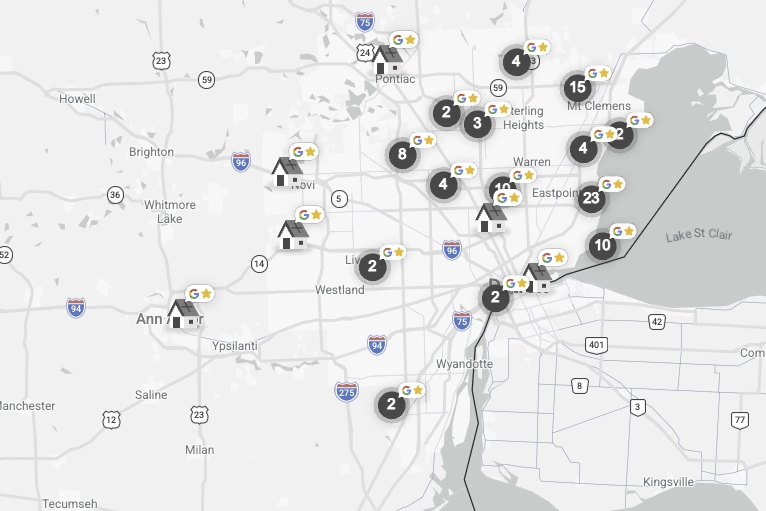
These project examples show how CONSTRUCTEAM helps Michigan property owners address mold caused by water damage, basement moisture, leaks, flooding, storm intrusion, and hidden moisture behind walls or flooring. Mold remediation often requires containment, affected material handling, cleaning, moisture correction, repair, and reconstruction after the source of the problem is controlled.
View recent CONSTRUCTEAM mold remediation and restoration projects to see real examples of completed work, customer reviews, and service-area coverage.
Why Mold Problems Happen in Tri County Homes and Buildings
Mold problems in Macomb, Oakland, and Wayne County homes and buildings often start with moisture that was not fully corrected. In local homes, apartment buildings, and commercial properties, mold can spread behind walls, under flooring, inside insulation, or in enclosed basement areas before it becomes obvious.
Common causes include:
- Finished basements with hidden moisture behind drywall, trim, or flooring
- Sump pump failures after heavy rain or spring thaw
- Roof leaks or storm-related water intrusion
- Plumbing leaks inside walls, cabinets, ceilings, or utility spaces
- Poor ventilation in bathrooms, basements, attics, or enclosed rooms
- Condensation around windows, pipes, HVAC areas, or exterior walls
- High humidity during Michigan’s warmer months
- Water damage that was not dried quickly or thoroughly
Because many Southeast Michigan properties include basements, finished lower levels, and enclosed spaces, mold can remain hidden until a musty odor, staining, or air quality concern appears.
CONSTRUCTEAM looks for both the visible mold and the moisture source behind it, so the remediation plan addresses the cause, not just the surface growth.
Mold Remediation Across Macomb, Oakland, and Wayne Counties
CONSTRUCTEAM is based in Fraser, Michigan, and provides mold remediation throughout Macomb County, Oakland County, Wayne County, and nearby communities.
Mold problems often begin with moisture that was not fully corrected. Basement moisture, leaks, flooding, storm intrusion, condensation, humidity, and incomplete drying can allow mold to develop behind walls, under flooring, inside insulation, or in enclosed spaces. For the fastest response, call our team and we will confirm service availability for your location.
Macomb County Mold Remediation
Fraser, Sterling Heights, Clinton Township, Shelby Township, Macomb Township, Warren, Roseville, St. Clair Shores, Eastpointe, Harrison Township, Mt. Clemens, and nearby Macomb County communities.
Oakland County Mold Remediation
Troy, Rochester, Rochester Hills, Royal Oak, Birmingham, Southfield, Bloomfield Hills, and nearby Oakland County communities.
Wayne County Mold Remediation
Grosse Pointe, Harper Woods, Detroit-area properties, and nearby Wayne County communities.
Need mold remediation help? Call now to discuss visible mold, musty odors, water damage, hidden moisture, or suspected mold behind walls, floors, or finished spaces.
Call for Mold Remediation Help
Why Property Owners Choose CONSTRUCTEAM for Mold Remediation
Mold problems are stressful because visible growth is often only part of the issue. Moisture may be hidden behind walls, under flooring, inside insulation, or in enclosed spaces.
Property owners choose CONSTRUCTEAM because our team can help contain affected areas, identify moisture concerns, remove contaminated materials, document conditions, and coordinate repair or reconstruction when mold affects finished spaces.
30+ Years of Restoration Experience
We understand how mold affects finished basements, lower levels, enclosed spaces, older structures, commercial properties, and moisture-prone areas after leaks, flooding, humidity, or incomplete drying.
IICRC-Certified Restoration Team
Our mold remediation process is guided by professional restoration standards, field experience, and trained technicians who understand containment, air control, moisture documentation, and affected material handling.
Containment and Moisture Control
Mold remediation is not just surface cleaning. CONSTRUCTEAM helps isolate affected areas, review moisture sources, remove contaminated materials when needed, and support drying or correction of conditions that allowed mold to grow.
Insurance-Aware Documentation
We help document visible mold, moisture conditions, affected materials, containment needs, removal areas, and repair needs to support the insurance or property review process.
Repair and Reconstruction Support
When mold affects drywall, insulation, flooring, trim, cabinets, ceilings, framing, or finished spaces, CONSTRUCTEAM can help transition the project from remediation into repair planning and reconstruction.
One Company From Remediation to Repair
You do not have to coordinate separate remediation, repair, and construction companies. CONSTRUCTEAM can keep the scope, documentation, repair planning, and rebuild communication under one local team.
Related Restoration and Repair Services After Mold Damage
Mold problems often connect to water damage, leaks, flooding, storm intrusion, humidity, or hidden moisture. These related services help property owners understand what may be needed before, during, or after mold remediation.
Water Damage Restoration
For water damage, flooding, leaks, roof intrusion, soaked materials, or incomplete drying conditions that may lead to mold growth.
Learn MoreReconstruction After Damage
For drywall, flooring, trim, cabinets, insulation, ceilings, and finished spaces that need repair or rebuilding after contaminated materials are removed.
Learn MoreStructural Repair After Damage
For framing, subfloors, wall systems, exterior materials, or structural areas affected by long-term moisture, water damage, or material deterioration.
Learn MoreStorm Damage Restoration
For roof leaks, wind-driven rain, flooding, broken exterior materials, or storm-related water intrusion that can create hidden moisture and mold concerns.
Learn MoreCommercial Emergency Restoration
For businesses, offices, retail spaces, multifamily buildings, and commercial facilities that need coordinated mold, water, or moisture-related restoration.
Learn MoreMold Remediation FAQs
CONSTRUCTEAM helps homeowners, property managers, and businesses understand when mold remediation is needed, what causes mold growth, how moisture affects the cleanup process, and when repair or reconstruction may be needed after contaminated materials are removed.
What is mold remediation?
Mold remediation is the process of containing affected areas, removing contaminated materials when needed, cleaning and treating remaining surfaces, addressing the moisture source, and preparing the space for repair or reconstruction. The goal is not just to clean visible mold, but to control the conditions that allowed mold to grow.
When do I need professional mold remediation?
Professional mold remediation is recommended when mold is visible, suspected behind walls or flooring, caused by water damage, connected to a musty odor, or affecting porous materials such as drywall, insulation, carpet, ceiling tile, trim, or flooring. Mold that follows flooding, roof leaks, plumbing leaks, storm intrusion, or incomplete drying should be inspected and handled carefully.
Is mold always an emergency?
Mold is not always an immediate emergency, but it is time-sensitive. Mold can continue spreading when moisture remains in building materials. If mold appears after water damage, flooding, leaks, or storm intrusion, remediation should begin as soon as possible to help limit the affected area, reduce disruption, and prevent additional material damage.
What causes mold to grow in homes and buildings?
Mold usually grows when moisture is present and materials do not dry properly. Common causes include flooding, sump pump failures, roof leaks, plumbing leaks, storm-related water intrusion, condensation, high humidity, poor ventilation, and water damage that was not dried quickly or thoroughly.
Can mold grow behind walls or under flooring?
Yes. Mold can grow behind drywall, under flooring, inside insulation, above ceilings, behind cabinets, around windows, and in enclosed basement areas when moisture is trapped. A musty odor, staining, soft materials, prior water damage, or recurring humidity can be signs of hidden mold or moisture problems.
What is the difference between mold remediation and water damage restoration?
Water damage restoration focuses on removing water, drying materials, and helping prevent mold from forming after a water loss. Mold remediation is needed when mold is already visible or suspected. It focuses on containment, removal of contaminated materials, cleaning, treatment, moisture correction, and repair planning when materials are damaged.
Can mold be removed without tearing out walls or flooring?
Sometimes. Non-porous surfaces may be cleaned and treated when contamination is limited. Porous materials such as drywall, insulation, carpet, ceiling tile, or some flooring materials may need to be removed if mold has spread into the material. The right approach depends on the source, severity, material type, and moisture conditions.
How long does mold remediation take?
Many mold remediation projects take several days, but the timeline depends on the size of the affected area, the materials involved, containment needs, drying conditions, moisture source, and whether repair or reconstruction is needed after contaminated materials are removed.
Will mold come back after remediation?
Mold is less likely to return when contaminated materials are properly addressed and the moisture source is corrected. If the leak, humidity, condensation, ventilation issue, or water intrusion problem remains, mold can return. That is why professional mold remediation should include moisture review, not just surface cleaning.
Is mold remediation covered by insurance?
Coverage depends on the cause of the mold growth and the terms of the policy. Mold related to sudden water damage may be handled differently than mold caused by long-term moisture, humidity, or maintenance issues. CONSTRUCTEAM documents visible mold, moisture conditions, affected materials, and repair needs to help support the insurance review process.
Does mold remediation include rebuilding?
Mold remediation may include repair or reconstruction when contaminated materials must be removed. Drywall, insulation, flooring, trim, cabinets, ceilings, or finished spaces may need to be repaired after remediation is complete. CONSTRUCTEAM can help with both mold remediation and reconstruction when cleanup alone is not enough.
Can CONSTRUCTEAM help with mold in commercial buildings or multi-unit properties?
Yes. CONSTRUCTEAM provides mold remediation for homes, apartment buildings, multi-unit properties, offices, retail spaces, and commercial facilities. The remediation plan depends on the property type, occupancy, source of moisture, containment needs, affected materials, and repair requirements.
What should I do if I smell mold but cannot see it?
If you notice a persistent musty odor, look for signs of moisture, staining, soft materials, leaks, condensation, or past water damage. Avoid opening walls or disturbing suspected mold without containment. A professional inspection can help determine whether moisture or mold is present behind walls, under flooring, above ceilings, or in enclosed areas.
Why should I choose a restoration company that can also rebuild?
Mold remediation can leave removed drywall, insulation, flooring, trim, cabinets, or finished materials behind. A restoration company that also handles repair and reconstruction can help move the project from containment and removal into rebuild planning without forcing the property owner to coordinate multiple companies.
Professional Mold Remediation in Progress
These images show CONSTRUCTEAM technicians performing real mold remediation work, including containment setup, material removal, and controlled cleaning to prevent cross-contamination. Every project follows industry standards designed to protect occupants, workers, and unaffected areas of the property.


GET MOLD REMEDIATION HELP NOW
Mold can spread quietly, and delays may increase damage, disruption, and repair needs.
See Real Restoration Projects
Our YouTube channel features real Michigan restoration projects, including mold remediation following water and storm damage.

Watch our restoration projects on YouTube